Sophie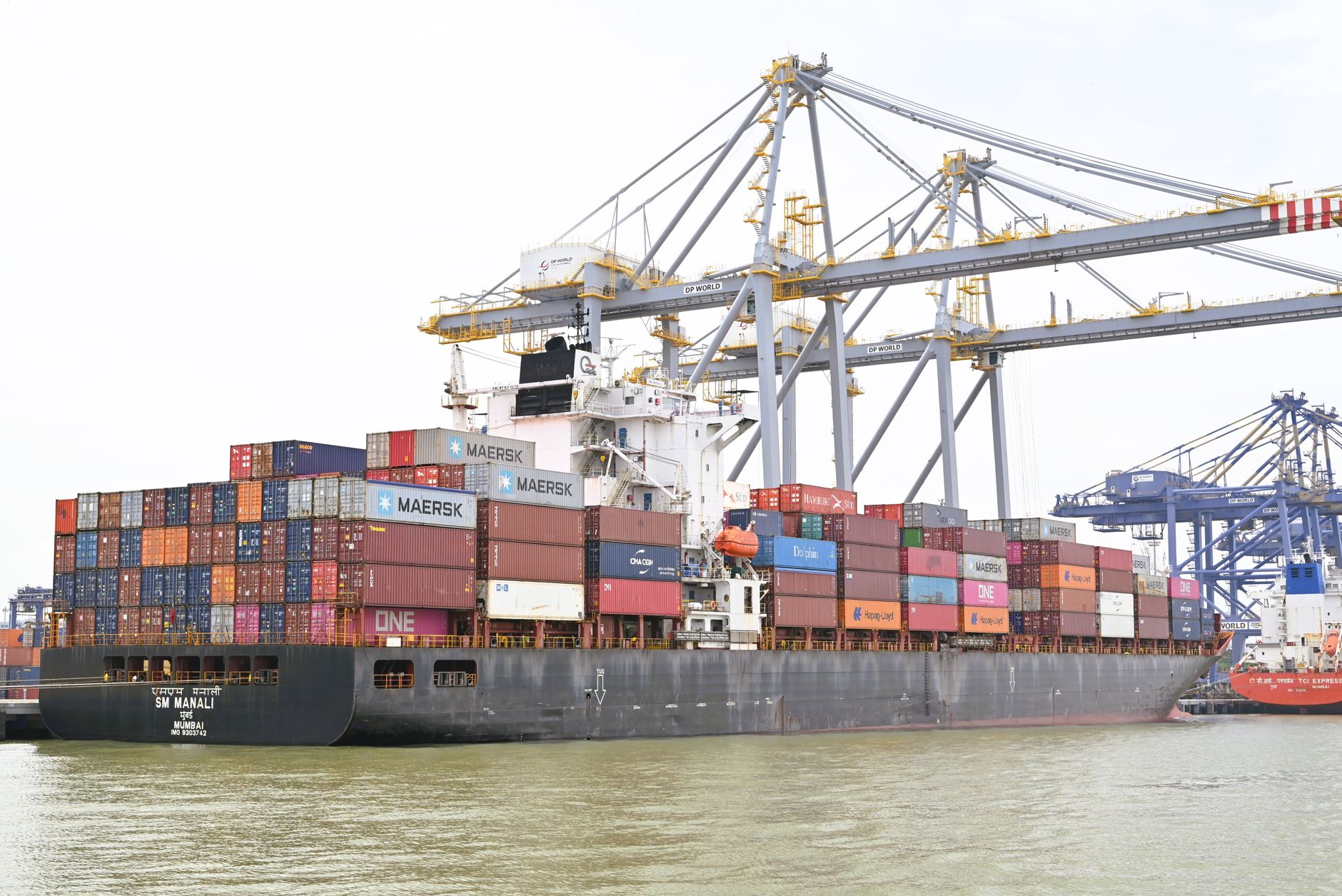
Port concessions India are at the forefront of discussions as DP World CEO calls for a reevaluation to enhance investment prospects.
Understanding Port Concessions
Port concessions in India have emerged as a pivotal topic in the context of enhancing infrastructure and attracting foreign investment. Understanding the framework of these concessions is essential for both domestic and international stakeholders looking to engage in the Indian port sector.
Essentially, port concessions refer to the agreements between the government and private operators, allowing the latter to manage, operate, and maintain port facilities for a specified period. This model aims to leverage private capital and expertise to improve efficiency and service quality in ports.
However, the current landscape has faced criticism. DP World CEO has emphasized the necessity for India to rethink its approach to port concessions, advocating for a shift towards joint ventures. This collaboration could potentially streamline operations and enhance investment appeal.
The benefits of revising these concessions include:
- Increased investment inflow from global players
- Improved operational efficiency and service delivery
- Fostering technology transfer and innovation in port management
By embracing joint ventures and refining the port concessions framework, India could position itself as a more attractive destination for maritime investment, ultimately contributing to economic growth and development.
The Role of Joint Ventures
The concept of joint ventures plays a pivotal role in the realm of port concessions in India, serving as a catalyst for increased investment and operational efficiency. By fostering collaborations between public and private entities, India can leverage the strengths of both sectors to enhance port infrastructure and services.
Joint ventures allow for beneficial partnerships that can lead to:
- Shared financial risks: By pooling resources, companies can mitigate the financial burden associated with port development and operations.
- Access to expertise: Collaboration with established international firms can bring in technical know-how and best practices, enhancing overall efficiency.
- Improved innovation: Joint ventures can facilitate the introduction of advanced technologies, leading to better logistics and operational processes.
- Stronger market presence: Partners can combine their strengths to gain a competitive edge in the rapidly evolving maritime sector.
As the CEO of DP World emphasized, rethinking port concessions to incorporate joint ventures is a strategic move that can rejuvenate investment in India’s ports. This approach not only attracts foreign capital but also aligns with India’s vision of becoming a global maritime hub. By embracing such collaborations, India can ensure sustainable growth in its port sector.
Investment Opportunities in India
India’s rapidly expanding economy presents a wealth of investment opportunities for both domestic and international investors. With the government’s emphasis on enhancing port infrastructure, the framework of port concessions India is becoming increasingly attractive. The strategic location of India, with its extensive coastline, provides a gateway for global trade, making port development a priority.
Several factors contribute to the burgeoning prospects in this sector:
- Government Initiatives: The Indian government has launched various initiatives aimed at improving port efficiency and capacity, including the Sagarmala Project, which focuses on port modernization and connectivity.
- Investment Incentives: There are numerous financial incentives for private players, including tax breaks and streamlined regulatory processes, designed to attract foreign direct investment.
- Joint Ventures: As highlighted by industry leaders, the potential for joint ventures can significantly enhance investment, allowing for shared risks and expertise.
- Growing Demand: With increased trade volumes, there is a rising demand for enhanced port services, creating opportunities for innovative solutions and technology.
In conclusion, the evolving landscape of port concessions India not only promises lucrative returns but also plays a crucial role in propelling the nation towards sustainable economic growth.
DP World CEO’s Vision for Growth
In a recent statement, the CEO of DP World emphasized the critical need for India to rethink its approach to port concessions. He believes that a more strategic framework could significantly enhance investment opportunities in the sector. The CEO pointed out that while India has made strides in improving its port infrastructure, there remains a substantial gap in attracting foreign investment.
He highlighted that the current model often lacks the flexibility and incentives needed to draw in global players. A shift towards more innovative port concession agreements could facilitate partnerships that benefit all stakeholders involved. By fostering joint ventures, both domestic and international companies could share resources and expertise, ultimately leading to improved efficiency and productivity.
Additionally, he mentioned that restructured concessions could not only accelerate the development of underutilized ports but also enhance overall trade capabilities. The CEO urged policymakers to consider the long-term benefits of adapting the port concession model to better align with global standards.
Furthermore, he reiterated the importance of collaborative efforts between the government and private sector to create a more attractive environment for investments, thereby accelerating economic growth in India.
With the right approach, the potential for growth in the Indian port sector remains vast, positioning the country as a key player in global trade.
Implementing well-structured port concessions India can significantly enhance the efficiency and profitability of the maritime sector. By attracting foreign investment through these concessions, port concessions India can drive economic growth and infrastructure development.
Photo by Ankittt Bhattacharjee on Pexels