Sophie
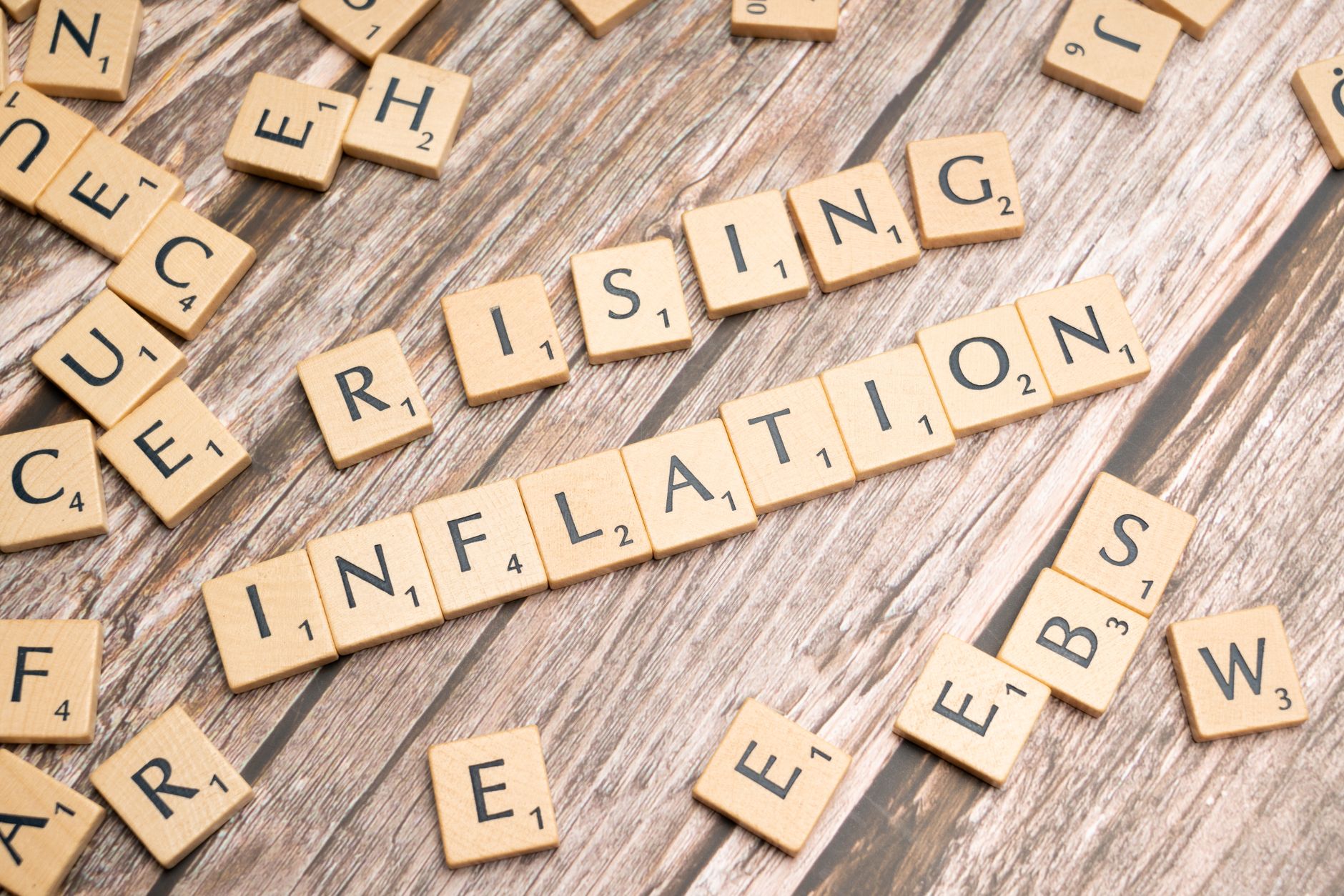
gradual rate hike strategies are being discussed by Fed officials Hammack and Barkin. They advocate for a measured approach to combat rising inflation effectively.
Understanding the Gradual Rate Hike Approach
The gradual rate hike approach has emerged as a favored strategy among Federal Reserve officials in their efforts to combat inflation. This method involves incremental increases in interest rates rather than abrupt changes, allowing the economy to adjust smoothly.
Key proponents of this approach, such as Fed officials Hammack and Barkin, argue that a gradual rate hike can help to maintain stability in the financial markets while addressing inflationary pressures. They emphasize that a measured increase in rates can support sustainable economic growth, rather than risking a sharp slowdown that could result from a more aggressive strategy.
Supporters of the gradual rate hike approach highlight several benefits:
- Predictability: Small, consistent increases provide businesses and consumers with clarity regarding future borrowing costs.
- Consumer Confidence: A stable environment fosters confidence among consumers, encouraging spending and investment.
- Risk Mitigation: Gradual adjustments can help the Fed avoid the pitfalls of overreacting to temporary inflation spikes.
As the economy continues to navigate post-pandemic recovery, the gradual rate hike approach remains a critical topic of discussion among economists and policymakers alike. Many believe it represents a balanced path toward achieving lower inflation without destabilizing the overall economic landscape.
Impact of Rate Hikes on Inflation
The impact of rate hikes on inflation can be significant, and understanding this relationship is crucial for economic stability. A gradual rate hike approach, endorsed by Federal Reserve officials like Hammack and Barkin, aims to mitigate inflation without causing abrupt disruptions in the economy.
When interest rates rise, borrowing costs increase, leading to a decrease in spending by consumers and businesses. This reduction in demand can help to cool down inflationary pressures. However, the timing and pace of these hikes are essential to achieving the desired outcomes.
- Controlled Adjustments: A gradual rate hike allows the economy to adjust slowly, reducing the risk of triggering a recession.
- Market Stability: Investors and consumers tend to respond positively when they see a steady, predictable approach to monetary policy.
- Inflation Expectations: By signaling a commitment to tackling inflation, the Federal Reserve can help anchor inflation expectations, influencing economic behavior.
However, the effectiveness of a gradual rate hike strategy depends on various factors, including global economic conditions and consumer confidence. If implemented carefully, this approach may help achieve a balance between fostering economic growth and controlling inflation in the long run.
Fed Officials’ Perspectives
In recent discussions, Federal Reserve officials have expressed their views on the effectiveness of a gradual rate hike to combat inflation. Michael Barkin, president of the Richmond Fed, highlighted that a measured approach allows the economy to adjust without causing undue stress. He emphasized the importance of observing the effects of each rate increase before implementing further hikes, stating, “A gradual rate hike can provide the necessary time to gauge the impact on inflation and overall economic stability.”
Similarly, Hammack of the Federal Reserve noted that a cautious approach could help sustain economic growth while targeting inflation reduction. He remarked, “It is crucial to balance the need for inflation control with the potential risks of stalling economic recovery.”
Many experts believe that the gradual rate hike strategy can mitigate the risks associated with abrupt monetary policy changes. The rationale is grounded in the idea that a slow and steady increase in interest rates may lead to a more stable economic environment, preventing shocks that could arise from more aggressive tactics.
As these officials weigh the implications of their decisions, the focus remains on achieving a balance between fostering growth and effectively managing inflation through a gradual rate hike approach.
Current Economic Climate
The current economic climate is characterized by persistent inflation, prompting discussions among policymakers about the best strategies to combat rising prices. Economic indicators show that inflation rates have remained elevated, affecting consumers and businesses alike. In response, the Federal Reserve has been considering various approaches to stabilize the economy and bring inflation under control.
Recent comments from Fed officials, including Hammack and Barkin, suggest a preference for a gradual rate hike strategy. This approach is seen as a balanced way to manage inflation without triggering a recession. By implementing incremental increases in interest rates, the Fed aims to carefully assess the impact on both the labor market and overall economic growth.
However, the effectiveness of this strategy is still being debated. Critics argue that a more aggressive stance may be necessary to tackle stubborn inflation, while supporters of the gradual approach believe it allows for a more measured response to economic changes. Key factors influencing this debate include:
- The current unemployment rate
- Consumer spending trends
- Global economic conditions
As the Fed navigates this complex landscape, the decision on whether to adopt a gradual rate hike will significantly influence the trajectory of the economy in the coming months.
Future Projections for Interest Rates
As the Federal Reserve continues to navigate the complexities of the current economic landscape, future projections for interest rates remain a topic of significant interest among economists and policymakers. With inflation still a pressing concern, many experts advocate for a gradual rate hike approach, arguing that it can help maintain economic stability while effectively curbing rising prices.
Recent statements from Fed officials, including Governor Hammack and Richmond Fed President Barkin, suggest a cautious outlook. They emphasize the importance of monitoring economic indicators closely before implementing further rate increases. The rationale behind this strategy is to avoid shocking the economy, which could lead to unintended consequences such as recession or increased unemployment.
Analysts predict that the Fed may continue to raise interest rates incrementally, allowing businesses and consumers to adapt to changing financial conditions. This method not only aims to combat inflation but also supports sustained economic growth.
Future projections indicate a potential rise in rates over the next few quarters, contingent on inflation trends and labor market dynamics. As the Fed assesses its path forward, stakeholders are closely watching how these gradual adjustments will impact consumer spending and overall economic health.
In summary, a measured approach to rate hikes might provide the necessary balance needed to lower inflation while fostering economic resilience in the long term.
Photo by Markus Winkler on Pexels