James Flores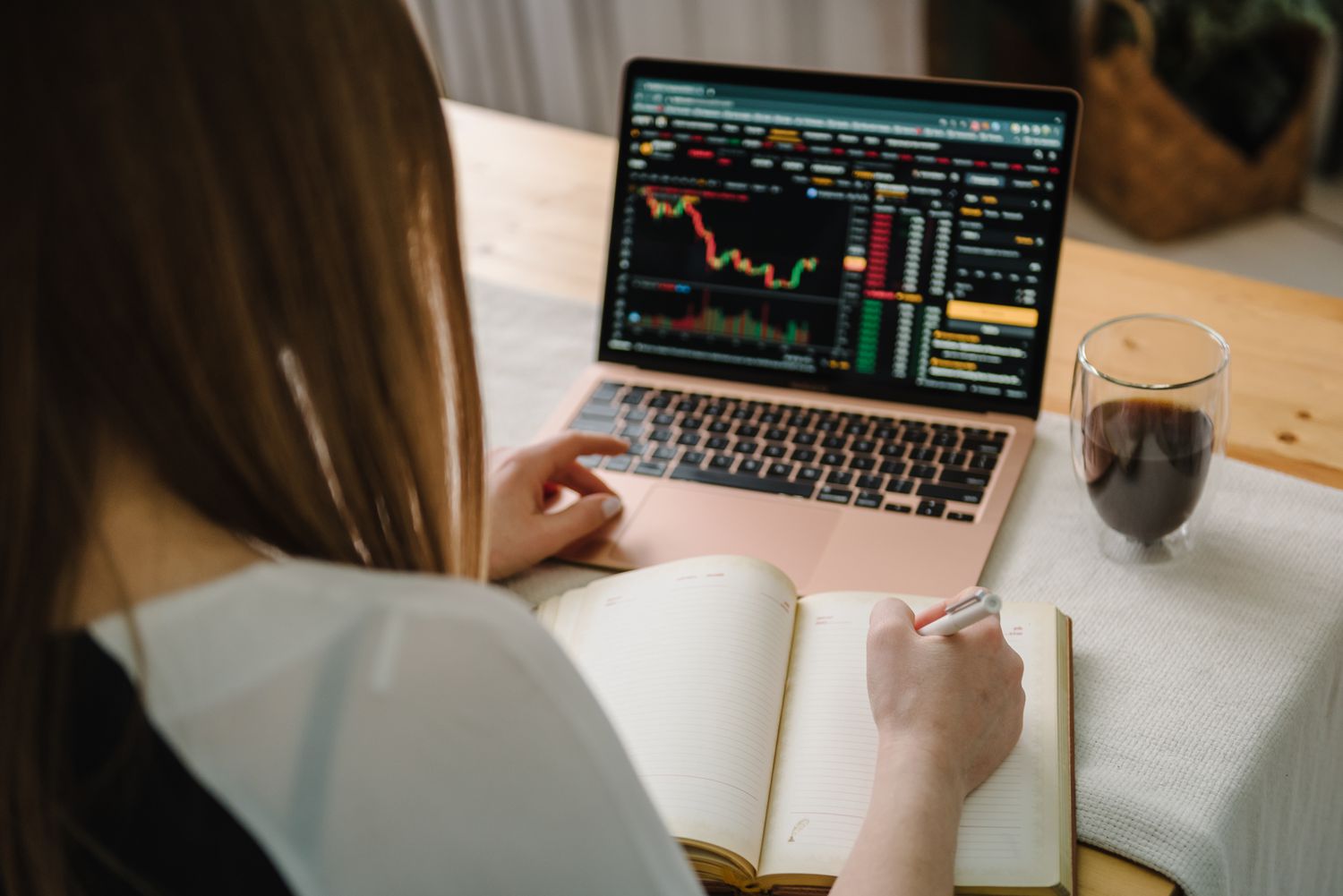
Online trading refers to the process of buying and selling financial instruments through digital platforms, rather than traditional methods such as phone orders or in-person brokerage services. This form of online trading has revolutionized financial markets by offering traders immediate access to markets, real-time data, and advanced tools for analysis.
The importance of online trading lies in its ability to democratize access to financial markets. Traders, both retail and professional, can execute orders quickly, monitor market trends, and adapt strategies in real time. By combining technology with financial expertise, online trading provides opportunities to optimize returns while managing risk efficiently.
How Do Secure Online Trading Platforms Protect Traders?
Security is a critical factor in online trading. Secure trading platforms implement multiple layers of protection to safeguard user accounts, transactions, and personal information. Key security measures include:
- Encryption Protocols: Sensitive data is encrypted to prevent unauthorized access.
- Two-Factor Authentication (2FA): Adds an extra layer of security during login and transactions.
- Regulatory Compliance: Platforms adhere to financial regulations, ensuring secure handling of client funds.
- Fraud Detection Systems: Continuous monitoring of unusual activity helps prevent unauthorized transactions.
These features give traders confidence that their accounts and capital are protected while they focus on executing strategies.
Why Is Real-Time Market Data Crucial for Traders?
Access to real-time market data is a cornerstone of successful online trading. Market prices, order books, and financial news change rapidly, and delayed information can result in missed opportunities or losses. Real-time data allows traders to:
- Identify market trends and price movements promptly
- Execute trades at optimal entry and exit points
- Respond quickly to economic events and announcements
- Perform accurate technical and fundamental analysis
Platforms offering reliable real-time data empower traders to make informed decisions and enhance the probability of profitable trades.
What Tools and Insights Are Available on Online Trading Platforms?
Modern online trading platforms provide a wide array of tools and insights to support decision-making:
- Charting and Technical Indicators: Moving averages, RSI, MACD, and Bollinger Bands help detect trends and reversals.
- Economic Calendars: Track scheduled events such as interest rate decisions, GDP releases, or earnings reports.
- News Feeds and Analysis: Access to global financial news helps traders stay informed about factors influencing markets.
- Risk Management Features: Stop-loss, take-profit, and trailing stops help control exposure and manage potential losses.
These tools allow traders to develop and implement complex strategies while managing risk efficiently.
How Do Online Trading Platforms Support Flexible Trading Strategies?
Online trading platforms cater to a variety of trading styles, making them suitable for different types of traders:
- Day Trading: Quick execution and real-time data support short-term trades.
- Swing Trading: Trend analysis and technical tools help identify multi-day trading opportunities.
- Long-Term Investing: Platforms provide access to portfolio analytics and performance tracking for investors.
- Scalping: Real-time price feeds and low-latency execution are crucial for executing multiple trades within minutes.
The flexibility provided by online platforms ensures that traders can select strategies that align with their objectives and risk tolerance.
What Are the Advantages of Using Online Trading Platforms?
Online trading platforms offer several benefits compared to traditional trading methods:
- Immediate Access to Markets: Execute trades instantly from anywhere in the world.
- Lower Costs: Reduced fees and commissions compared to traditional brokerage.
- Enhanced Market Transparency: Real-time order books and price feeds provide insights into supply and demand.
- Automation Opportunities: Features such as algorithmic trading and automated alerts improve efficiency.
- Educational Resources: Platforms often include tutorials, webinars, and research tools for skill development.
By combining speed, accessibility, and analytical tools, online trading platforms enable traders to capitalize on opportunities more effectively.
How Do Traders Use Data and Analytics to Improve Performance?
Data-driven decision-making is essential in online trading. Traders leverage analytics to enhance performance by:
- Monitoring historical price patterns to identify potential trade setups
- Using technical indicators to determine entry and exit points
- Applying risk-reward analysis to maximize profitability and minimize losses
- Reviewing trade performance metrics to refine strategies over time
By continuously analyzing performance and adjusting strategies based on data, traders can improve accuracy, consistency, and profitability.
What Statistics Highlight Trends in Online Trading?
Recent data on online trading reflects growing adoption and evolving practices:
- Around 70% of active traders rely on real-time data to guide decisions.
- Over 60% of traders report that platform security is a key factor when choosing a trading platform.
- Traders using advanced analytics tools have shown up to 25% higher risk-adjusted returns compared to those trading without such tools.
- The volume of online trading transactions has steadily increased, reflecting rising participation from retail and institutional traders alike.
These statistics indicate that traders who combine secure platforms with real-time data and insights are more likely to achieve consistent results.
How Do Online Platforms Enhance Risk Management?
Effective risk management is crucial for long-term success in trading. Online platforms support risk management by offering:
- Stop-Loss and Take-Profit Orders: Automatically close trades at predetermined levels to protect capital.
- Position Sizing Tools: Ensure trades align with risk tolerance and account balance.
- Alerts and Notifications: Inform traders of significant market events or price movements.
- Portfolio Diversification Tools: Monitor exposure across multiple asset classes to reduce concentration risk.
Using these features helps traders maintain discipline and mitigate potential losses in volatile markets.
Can Online Trading Platforms Cater to Both Beginners and Professionals?
Yes, online trading platforms are designed to accommodate traders with varying levels of experience:
- Beginners: Benefit from intuitive interfaces, demo accounts, educational content, and simplified tools.
- Professional Traders: Gain access to advanced charting, algorithmic trading, real-time analytics, and institutional-grade order execution.
This versatility allows platforms to support skill development while offering professional-grade resources for experienced traders.
What Trends Are Shaping Online Trading?
Several trends are influencing the evolution of online trading platforms:
- Artificial Intelligence and Machine Learning: AI-driven insights and predictive analytics support better decision-making.
- Mobile Trading: Increased accessibility through apps allows traders to manage portfolios on the go.
- Integration of Social Trading: Platforms now allow traders to follow or copy the strategies of successful peers.
- Enhanced Security Measures: Multi-factor authentication, biometric logins, and regulatory compliance improve safety.
- Global Market Connectivity: Access to multiple exchanges and asset classes through a single account simplifies global trading.
These trends highlight the growing sophistication of online trading platforms and their focus on security, data, and user experience.
How Can Traders Maximize Benefits From Online Trading Platforms?
To fully leverage online trading platforms, traders should:
- Develop a Trading Plan: Define objectives, strategies, and risk tolerance before executing trades.
- Utilize Real-Time Data and Analysis: Use charts, indicators, and news feeds to guide decisions.
- Implement Risk Management Tools: Apply stop-loss, take-profit, and position sizing techniques.
- Monitor Performance Metrics: Track trades and analyze results to improve strategy.
- Leverage Educational Resources: Stay updated on market trends, platform features, and trading strategies.
By following these practices, traders can improve efficiency, make informed decisions, and achieve consistent results.
Conclusion: Is Online Trading the Future of Financial Markets?
Online trading has transformed the way traders access financial markets, providing secure platforms, real-time data, and advanced tools for decision-making. By enabling flexible strategies across multiple asset classes and supporting robust risk management, these platforms empower traders to respond to market conditions efficiently.
For traders committed to disciplined strategies, ongoing learning, and data-driven decision-making, online trading offers the resources and opportunities needed to succeed. As technology continues to advance, online trading platforms will remain central to modern trading, offering enhanced security, analytics, and global access for traders at all levels.