Sophie
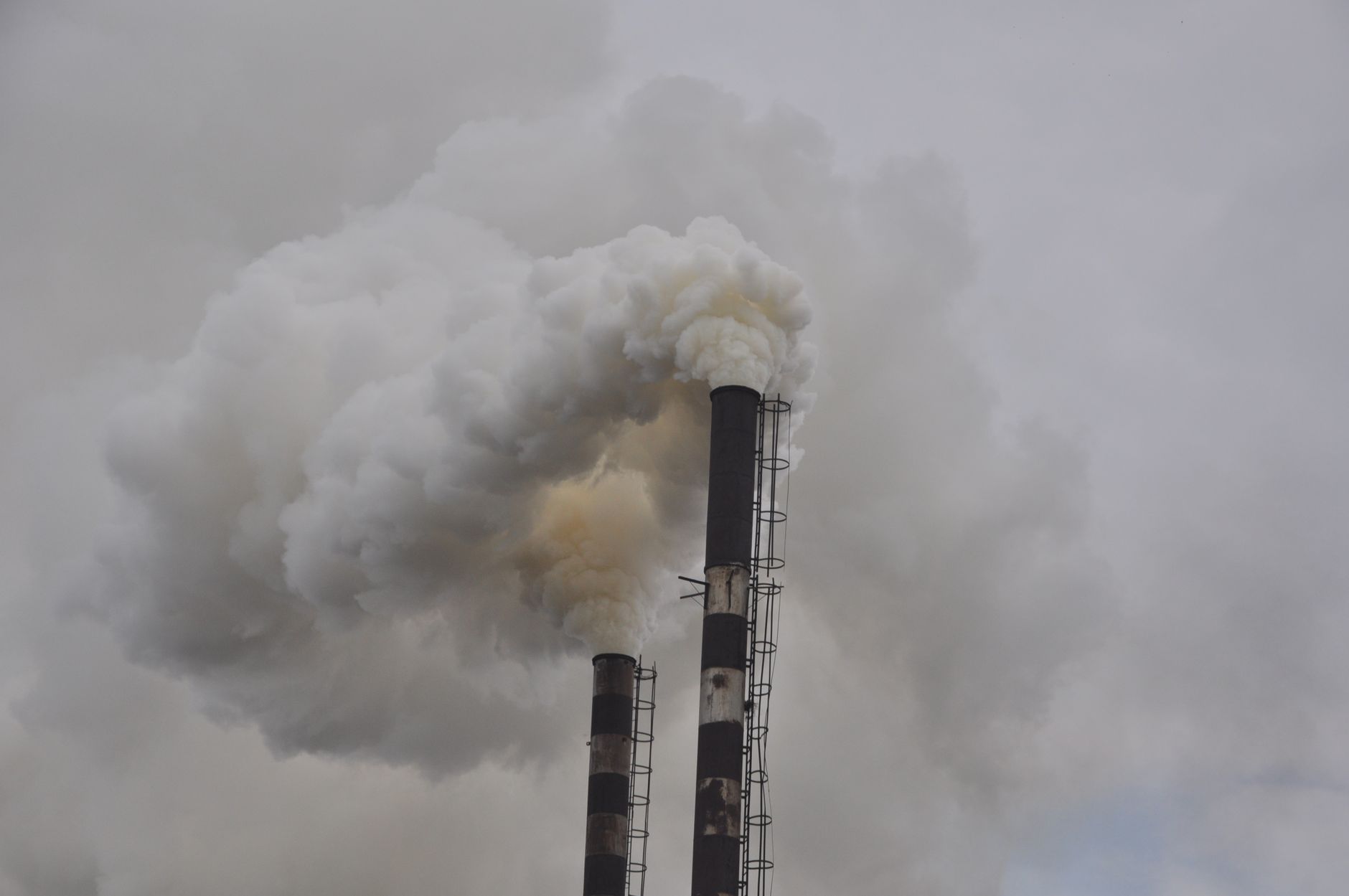
Pollution health insurance claims have surged 4.3 times in just three years, according to a recent report by Policybazaar. This alarming trend underscores the increasing impact of environmental factors on health and insurance costs.
Understanding the Surge in Claims
Recent data reveals a troubling trend in the realm of health insurance as pollution health insurance claims have surged by an astonishing 4.3 times over the past three years. This spike highlights the growing impact of environmental factors on public health, prompting an urgent need for awareness and action.
Several key reasons contribute to this increase in claims:
- Rising Pollution Levels: Urban areas are experiencing heightened levels of air and water pollution, directly affecting residents’ health.
- Chronic Health Issues: Conditions such as asthma, cardiovascular diseases, and respiratory infections are becoming more prevalent, leading to increased medical attention and insurance claims.
- Public Awareness: As awareness about the health effects of pollution rises, more individuals are seeking medical help and subsequently filing claims.
This alarming trend underscores the necessity for both policy intervention and community action to mitigate pollution’s harmful effects on health and to manage health insurance claims effectively.
Factors Contributing to Increased Claims
The recent surge in pollution health insurance claims can be attributed to several key factors that have intensified the impact of environmental degradation on public health.
- Increased Exposure: Urbanization and industrial activities have led to higher levels of air and water pollution, resulting in increased exposure to harmful substances.
- Rising Health Issues: Health problems linked to pollution, such as respiratory diseases, cardiovascular conditions, and allergies, have become more prevalent, prompting individuals to seek medical treatment.
- Awareness and Reporting: There is a growing awareness of the health impacts of pollution, encouraging individuals to report health issues and file claims more frequently.
- Insurance Policy Changes: Many health insurance policies are now more accommodating of pollution-related health issues, making it easier for affected individuals to file claims.
These factors combined have contributed to the dramatic rise in pollution health insurance claims, highlighting the urgent need for policies that address environmental health risks.
Impact of Pollution on Health
The impact of pollution on health has become increasingly evident, leading to a significant rise in pollution health insurance claims. As air and water quality deteriorate, numerous health issues have emerged, prompting individuals to seek medical attention. Common ailments associated with pollution include respiratory diseases, cardiovascular problems, and various forms of cancer.
According to recent studies, the correlation between pollution exposure and health deterioration is alarming. Individuals living in highly polluted areas are experiencing a higher incidence of chronic illnesses, which contribute to the surge in health insurance claims. This trend is not only a concern for affected individuals but also poses a challenge for health insurance providers as they grapple with the financial implications of rising claims.
Moreover, vulnerable populations, including children and the elderly, are disproportionately affected by pollution-related health issues. As awareness grows, more individuals are likely to file claims for illnesses linked to environmental factors, further increasing the overall number of pollution health insurance claims.
Insurance Industry Response
The recent surge in pollution health insurance claims has prompted a significant response from the insurance industry. As the number of claims related to pollution-related health issues has risen sharply, insurers are taking proactive measures to adapt to this emerging trend.
Many insurance providers are now reassessing their policies to better cover health complications arising from environmental pollution. This adjustment is essential as the claim rate has increased by 4.3 times in the last three years, highlighting a pressing need for comprehensive coverage.
In addition, insurers are investing in research to better understand the long-term effects of pollution on health. This includes collaborating with health experts and environmental organizations to develop new products tailored to those affected by pollution-related illnesses.
Moreover, insurers are also enhancing their risk assessment models to accurately price policies in light of these new health threats. With the growing awareness of pollution’s impact on health, the industry is evolving to meet consumer needs and ensure that policyholders receive adequate support during challenging times.
Policy Changes and Recommendations
In light of the recent surge in pollution health insurance claims, stakeholders in the insurance industry are urged to reassess their policies and practices. The increase of 4.3 times in claims over three years indicates a pressing need for policy changes that address the growing health risks associated with environmental pollution.
Experts recommend several key actions:
- Enhanced Coverage: Insurers should consider expanding their coverage options to include treatments specifically related to pollution-related illnesses.
- Preventive Programs: Initiating programs that encourage healthy living and pollution awareness can mitigate future claims. Insurers can collaborate with health organizations to promote community health initiatives.
- Data Analysis: Using data analytics to track trends in pollution-related health issues can help insurers better understand risks and tailor their products accordingly.
- Policy Advocacy: Insurance companies should advocate for stronger environmental regulations to help reduce pollution levels, ultimately benefiting public health and reducing claims.
Adopting these recommendations will not only enhance the sustainability of insurance models but also contribute positively to community health outcomes.
Future Trends in Health Insurance
As the awareness of pollution’s detrimental effects on health grows, trends in health insurance are expected to evolve significantly. The recent surge in pollution health insurance claims highlights a pressing need for insurers to adapt their policies and coverage options. With more individuals seeking compensation for health issues linked to environmental factors, insurers may introduce specialized products aimed at addressing these concerns.
Furthermore, the landscape of health insurance may shift towards more preventive measures. Insurers could begin to incorporate wellness programs that educate policyholders about reducing exposure to pollutants and improving overall health. These initiatives may not only help mitigate claims but also foster a healthier population.
In addition, increased collaboration between health organizations and insurers can lead to improved data collection regarding pollution-related health outcomes. This data can further inform policy adjustments and premium calculations. As pollution health insurance claims continue to rise, the industry must remain proactive in developing innovative strategies to meet the evolving needs of consumers.
Conclusion: The Need for Awareness
As pollution continues to escalate, the significant rise in pollution health insurance claims highlights a crucial need for public awareness. The staggering increase of 4.3 times in claims over a three-year period serves as a wake-up call for individuals and families alike.
In light of this trend, it is essential for communities to recognize the potential health risks associated with environmental pollutants. Many individuals remain unaware of the long-term effects of pollution on their health, which can lead to serious medical conditions requiring expensive treatments. Consequently, raising awareness about these risks is vital.
Additionally, consumers should actively engage with their health insurance providers to understand the coverage options available for pollution-related health issues. Insurance companies are adapting to this surge, but policyholders must advocate for comprehensive plans that address these emerging health concerns.
Ultimately, fostering a culture of awareness and preparedness will empower individuals to make informed decisions, ensuring better health outcomes in the face of rising pollution challenges.
Photo by SANDEEP KUMAR SHARMA on Pexels