Sophie
RBI forex rules are tightening as the rupee trades near record lows. This shift aims to stabilize the currency and manage foreign exchange volatility.
Understanding the RBI Forex Rules
The Reserve Bank of India (RBI) has recently introduced stringent forex rules aimed at stabilizing the Indian rupee, which has been trading near record lows. These new regulations are part of the central bank’s ongoing efforts to manage volatility in the foreign exchange market and maintain the integrity of the national currency.
Understanding the RBI forex rules is crucial for investors and traders alike. The central bank has implemented measures that affect both domestic and foreign transactions, which can have significant implications on foreign investment and trade.
- Increased Compliance Requirements: Financial institutions must adhere to more rigorous reporting standards to ensure transparency in forex transactions.
- Restrictions on Speculative Trading: New limits have been placed on speculative positions, aimed at curbing excessive volatility and protecting the rupee.
- Enhanced Monitoring: The RBI will increase its oversight of forex markets, focusing on irregular trading patterns that could destabilize the currency.
- Impact on Exports and Imports: The tightened rules may affect businesses relying heavily on foreign trade, as currency fluctuations can significantly influence profit margins.
As traders adjust to these regulatory changes, the impact on the rupee’s value and overall market sentiment will likely continue to evolve in the coming weeks.
Impact of RBI Forex Rules on the Rupee
The recent changes introduced by the Reserve Bank of India (RBI) in forex regulations have had a profound effect on the Indian Rupee. As the RBI forex rules tighten, market participants are feeling the strain, particularly as the rupee trades near its record low against major currencies.
One of the most significant impacts of these rules is the increased volatility in the currency market. Traders are reacting to the heightened restrictions, leading to a fluctuation in rupee valuations. This uncertainty has made it challenging for businesses engaged in international trade, as they grapple with unpredictable exchange rates.
Furthermore, analysts have noted that the RBI’s interventions may lead to reduced liquidity in the forex market. With stricter compliance requirements, many smaller players are finding it difficult to navigate the new landscape, potentially driving them out of the market altogether.
In addition, the tightening of the forex rules may deter foreign investment. Investors typically seek stability, and the current conditions may raise concerns about the ease of doing business in India. As a result, the inflow of capital could slow down, further exacerbating the rupee’s depreciation.
Overall, the impact of the RBI forex rules is being felt across various sectors, highlighting the delicate balance between regulation and market stability.
Market Reactions to New Forex Regulations
In response to the newly implemented RBI forex rules, market reactions have been swift and pronounced. Traders and investors are grappling with the implications of these regulations, which many believe could exacerbate the volatility of the Indian rupee. Analysts report heightened anxiety among market participants as the rupee hovers near record lows against major currencies.
The RBI’s move has elicited a range of responses:
- Increased Volatility: Many traders are experiencing significant fluctuations in currency pricing, leading to uncertainty in forex trading.
- Investor Caution: With the tightening of forex rules, investors are adopting a more cautious stance, opting to hold off on major trades until the market stabilizes.
- Market Sentiment: Sentiment appears bearish, with many analysts predicting further depreciation of the rupee if the RBI’s measures are perceived as overly restrictive.
- Speculative Trades: Some traders are capitalizing on the current volatility, engaging in speculative trades that could either lead to substantial gains or losses.
The overall consensus is that while the RBI forex rules aim to create a more stable trading environment, the short-term effects have sparked a wave of uncertainty. As traders adjust to the new landscape, the future trajectory of the rupee remains a critical focal point for market participants.
Future Implications for Forex Trading
The recent changes in RBI forex rules are poised to have significant implications for forex trading in India. As traders and investors adjust to the new regulations, several factors will play a crucial role in shaping the future landscape of currency trading.
- Increased Volatility: With tighter controls on forex transactions, traders may experience heightened volatility. This could lead to rapid fluctuations in currency values, making it essential for market participants to stay informed and adapt quickly.
- Shift in Trading Strategies: As the RBI forex rules come into effect, many traders may need to revise their strategies. This might involve focusing on long-term investments over speculative trading, aiming to mitigate risks associated with sudden regulatory changes.
- Impact on Liquidity: Stricter regulations may result in reduced liquidity in the forex market. This could make it more challenging for traders to execute large transactions without affecting the currency’s value.
- Regulatory Compliance: Adhering to the new RBI forex rules will require traders to invest in compliance measures. This includes understanding the legal framework and adapting their operations to meet regulatory standards.
Ultimately, the evolving landscape of forex trading will necessitate a proactive approach from all market participants to navigate the complexities introduced by the RBI’s latest forex regulations.
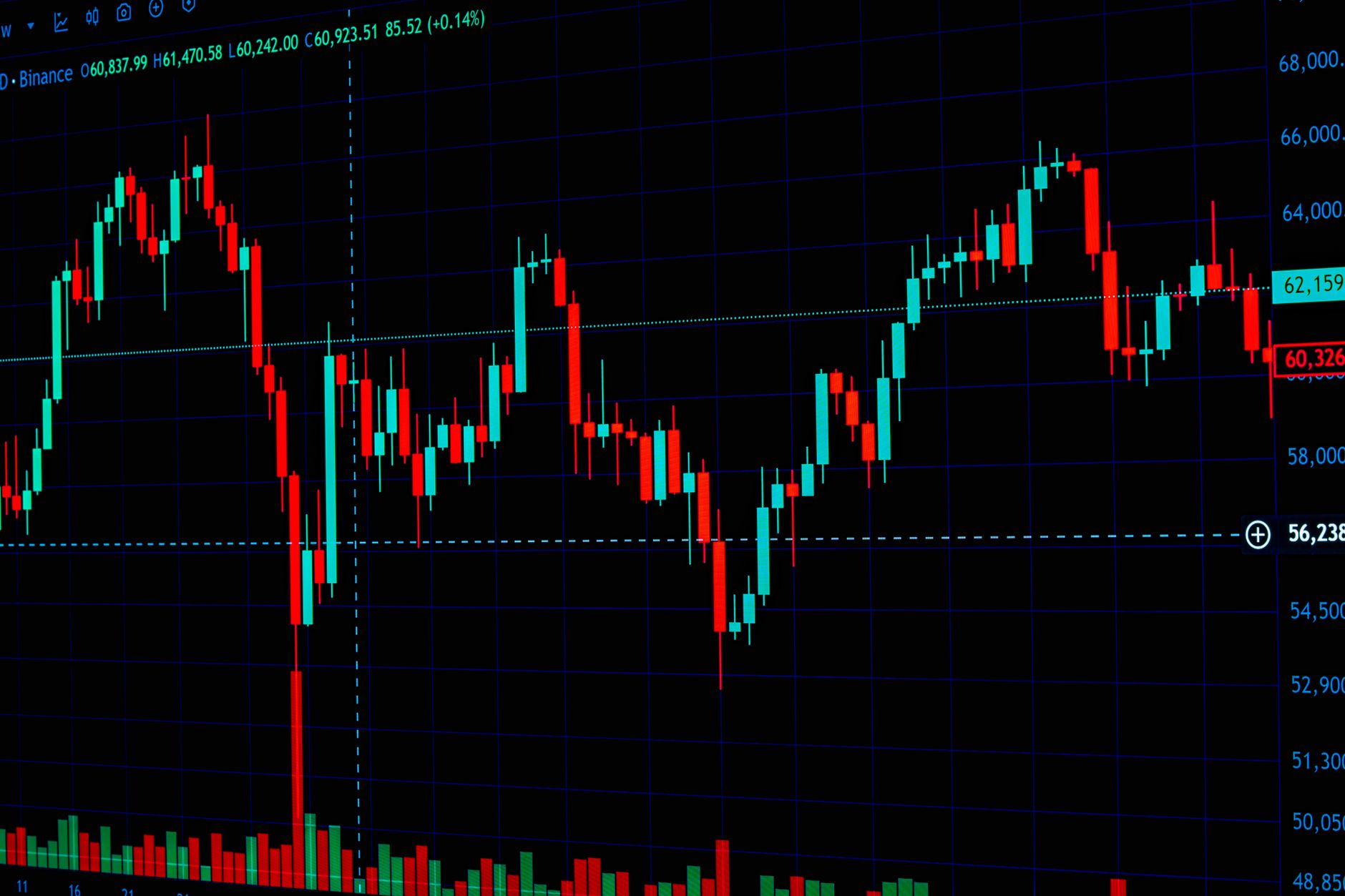
Photo by Ravi Roshan on Pexels